Evidence-based science is the key to regenerative practices
Evidence-based-science-is-the-key-to-Regenerative-Practices_The-Ag-Professional-2022.pdf
Read More
Evidence-based-science-is-the-key-to-Regenerative-Practices_The-Ag-Professional-2022.pdf
Read More
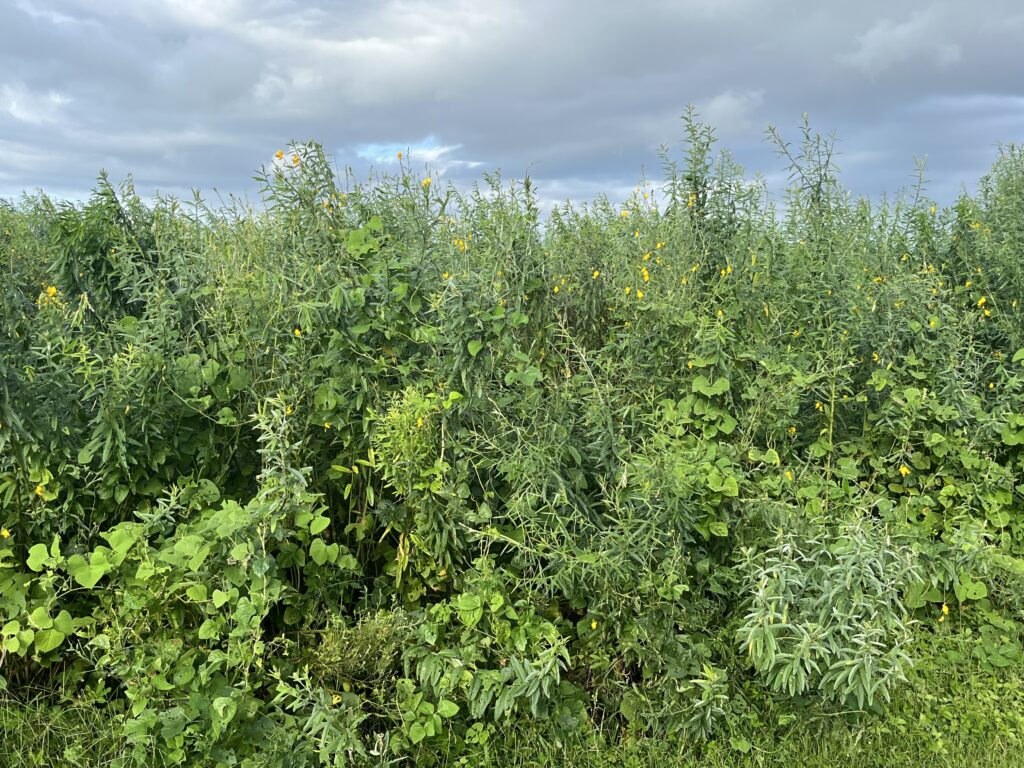
Regenerative agriculture is to ‘regenerate’ and not just ‘sustain’. It is a movement, but describes farming and grazing practices that, among other benefits, rebuild soil organic matter and degraded soil biodiversity – resulting in both carbon drawdown and improving the
water cycle. It also incorporates holistic management practices that utilise photosynthesis in plants to build soil health, crop resilience and nutrient density.
NACS, May 2025 A 10% improvement in the yield of a 5,000 hectare Pongamia plantation could be worth around $4 million. A number of improvements identified by NACS trials, funded by Japanese oil and gas corporation, Inpex, in Northern Australia could provide a 10 % improvement in the production of oil for biofuels. Collectively this information […]
Read More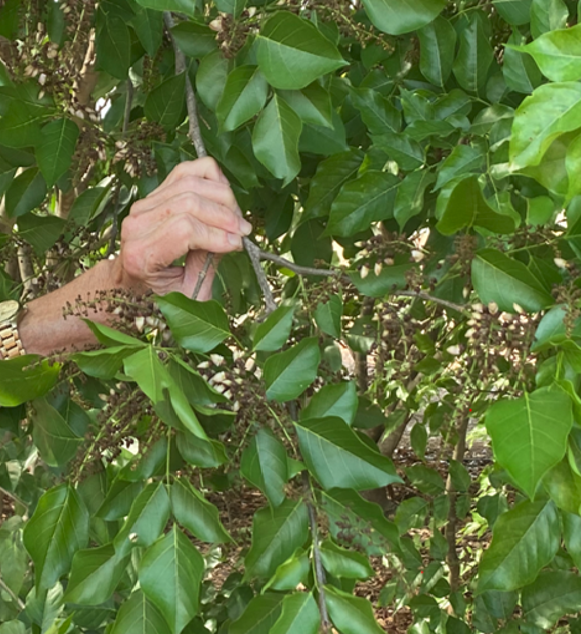
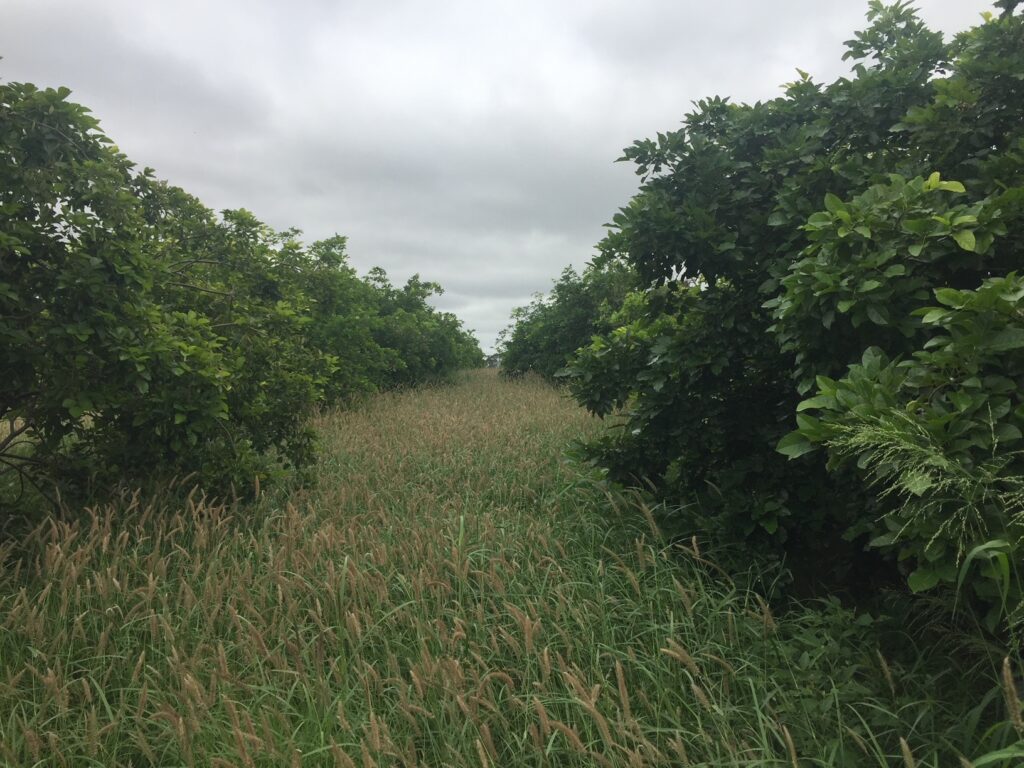
Pongamia trials on established Pongamia trees, to achieve reliable, high Pongamia yields in northern Australia. Achieving reliable, high Pongamia yields in northern Australia requires elite cloned varieties, careful management of irrigation and fertiliser, lower planting densities, and attention to pollination. Stress management, soil selection, and pilot-scale trials are essential before commercial expansion. The crop’s variability […]
Read More
SOIL CARBON FACTS Aggregation Large emitters or buyers of carbon credits do not want to deal in small quantities. To overcome this limitation, Aggregators put together numerous carbon projects and “aggregate” the credits into larger lots for sale. Aggregators may operate in different ways, e.g… Discovery At this point in the development of the carbon […]
Read More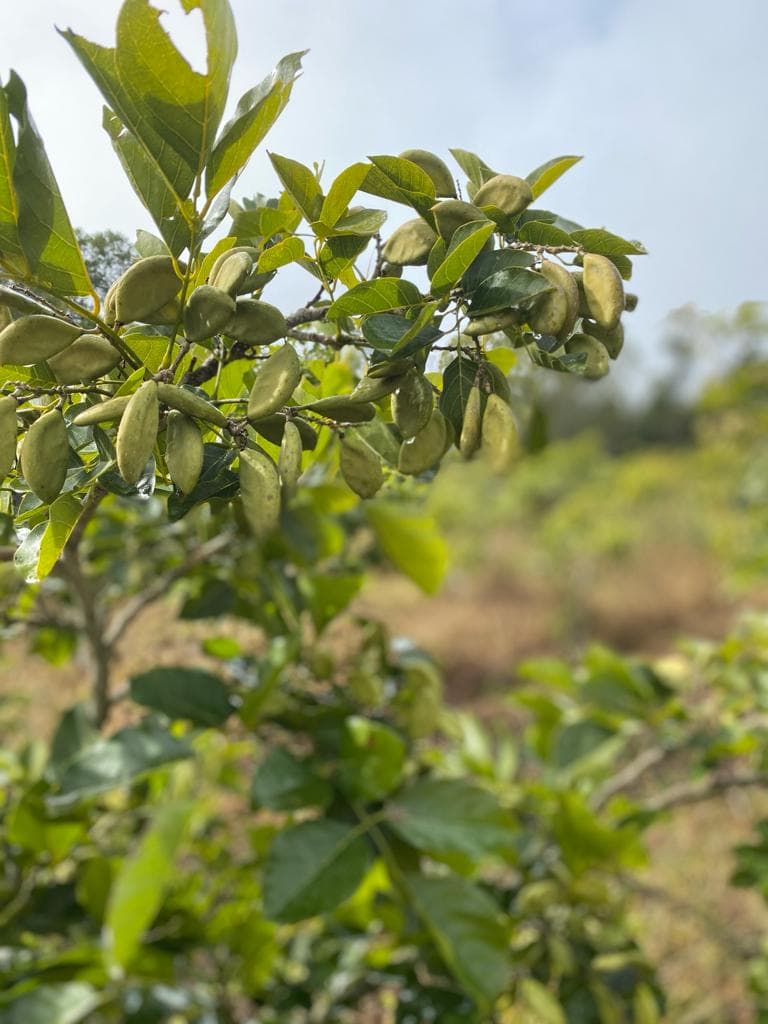
For centuries, pongamia has been used across the Indian subcontinent to fuel lanterns and stoves, make soap and tan leathers, and in traditional medicine1. Native to northern parts of Queensland and the Northern Territory, this hardy legume tree now offers an opportunity for production as a sustainable, lower emission alternative to non-renewable transport fuels.
Read More